
Ophthalmology Doctors in India
7,938 Ophthalmologists listed for consultation
Cataract, LASIK, glaucoma and retina treatment.
Ophthalmologists in India
View all 7,938 →Doctors are listed in alphabetical order. Payment does not change a doctor's position, and a listing is not an endorsement. Registration details are shown where available. Please verify any doctor on the NMC Indian Medical Register or the State Medical Council. How listings work
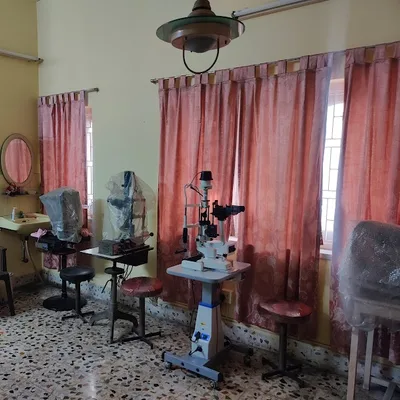
About Ophthalmology
Ophthalmologists are eye doctors who diagnose and treat eye disease medically and surgically — including cataract, glaucoma, diabetic eye disease, refractive errors (spectacle power) and pterygium. Many ophthalmology procedures are short, planned interventions affecting the eyes and eyelids.
Cataract surgery is one of the most commonly performed operations and is usually a short day-care procedure. Laser vision correction (LASIK, SMILE) and implantable lenses can reduce dependence on glasses for suitable candidates after a detailed eye assessment.
Conditions
Cataract
A cataract is clouding of the eye's natural lens, causing gradually blurred or dim vision. It is treated with a short operation to replace the lens.
Glaucoma
Glaucoma is a group of eye diseases that damage the optic nerve, usually linked to raised eye pressure. Early glaucoma often has no symptoms.
Refractive Error
Refractive errors such as myopia, hyperopia and astigmatism mean the eye doesn't focus light correctly, and are usually corrected with glasses or contact lenses — or with laser or lens surgery in suitable adults.
Pterygium
A pterygium is a fleshy growth on the white of the eye that can extend onto the cornea.
Diabetic Retinopathy
Diabetic retinopathy is damage to the blood vessels of the retina caused by diabetes. It can lead to vision loss if untreated.
Squint (Strabismus)
A squint is misalignment of the eyes, where one eye turns in, out, up or down.
Treatments
Cataract Surgery (Phacoemulsification)
The cloudy lens is broken up with ultrasound through a tiny incision and replaced with a clear artificial lens (IOL). Stitches are usually not needed.
Glaucoma Surgery
A new drainage pathway is created (trabeculectomy) or a drainage device inserted to lower eye pressure when drops or laser are not enough.
LASIK
A laser reshapes the cornea to correct myopia, hyperopia or astigmatism, reducing or removing the need for glasses.
SMILE Laser Vision Correction
A femtosecond laser creates a thin lens-shaped piece of tissue inside the cornea which is removed through a small incision, correcting myopia without a flap.
ICL (Implantable Contact Lens)
A thin lens is implanted inside the eye in front of the natural lens to correct high spectacle powers, especially where laser surgery isn't suitable.
Pterygium Surgery
The pterygium is removed and the area covered with a small graft of conjunctiva from the same eye to reduce recurrence.
Retina Laser (Photocoagulation)
Laser burns are applied to the retina to seal leaking vessels or reduce abnormal vessel growth in diabetic retinopathy and other retinal conditions.
Vitrectomy
The vitreous gel inside the eye is removed to treat bleeding, retinal detachment or scar tissue, often with laser and gas or oil tamponade.
Squint Surgery
The eye muscles are repositioned or adjusted to straighten the eyes.
Ptosis Surgery
The muscle that lifts the upper eyelid is tightened or reattached to correct a droopy eyelid.
LASIK vs SMILE: Ophthalmology
| Features | LASIK | SMILE |
|---|---|---|
| Approach | A thin corneal flap is lifted before the laser | The laser works through a small keyhole cut, with no flap |
| Anaesthesia | Numbing eye drops | Numbing eye drops |
| Operating time | About 15–20 minutes for both eyes | About 15–20 minutes |
| Hospital stay | No stay — day care | No stay — day care |
| Recovery | Clear vision often within a day; avoid rubbing eyes and swimming for a few weeks. | Vision improves over days. |
Typical figures from each treatment's page (LASIK, SMILE Laser Vision Correction). Your surgeon recommends the approach that suits your case.
Your Ophthalmology Treatment Journey
- 1
Admission · On the day of the procedure
- On arrival at the hospital, vital signs are checked and admission paperwork is completed.
- Bring your reports, ID and insurance details; Go Surgery's care team can help with the paperwork.
- 2
Anaesthesia · Before the procedure
- Numbing eye drops or local anaesthesia, and general anaesthesia for some squint and retina operations, depending on the procedure.
- The anaesthetist reviews your health and test results and explains the plan.
- Fasting instructions are given in advance.
- 3
Procedure · Typically 15 minutes to 2 hours
- Typical operating time for ophthalmology treatments on Go Surgery: 15 minutes to 2 hours.
- Your surgeon explains the technique chosen for your case beforehand.
- 4
Recovery · Hospital stay: no stay to 1 day
- Typical hospital stay: no stay to 1 day.
- Nurses monitor your pain, wound and vital signs until you are ready to go home.
- 5
Discharge · When your surgeon is satisfied with your recovery
- You go home with medicines, wound-care advice and a follow-up date.
- Each treatment page lists its typical recovery time.
- 6
Follow-up · As your surgeon advises
- The surgeon checks healing and any reports at the follow-up visit.
- Contact the hospital sooner if you have fever, bleeding or pain that gets worse.
Ophthalmology Treatment Cost in India
Go Surgery doesn't publish a price for ophthalmology procedures in India yet. The cost depends on the procedure, the hospital, the room category, any implants, and what your insurance covers, so ask for a written estimate before you decide.
- Cataract Surgery (Phacoemulsification) cost →
- Glaucoma Surgery cost →
- LASIK cost →
- SMILE Laser Vision Correction cost →
- ICL (Implantable Contact Lens) cost →
- Pterygium Surgery cost →
- Retina Laser (Photocoagulation) cost →
- Vitrectomy cost →
- Squint Surgery cost →
- Ptosis Surgery cost →
Hospitals
View all 17,304 →
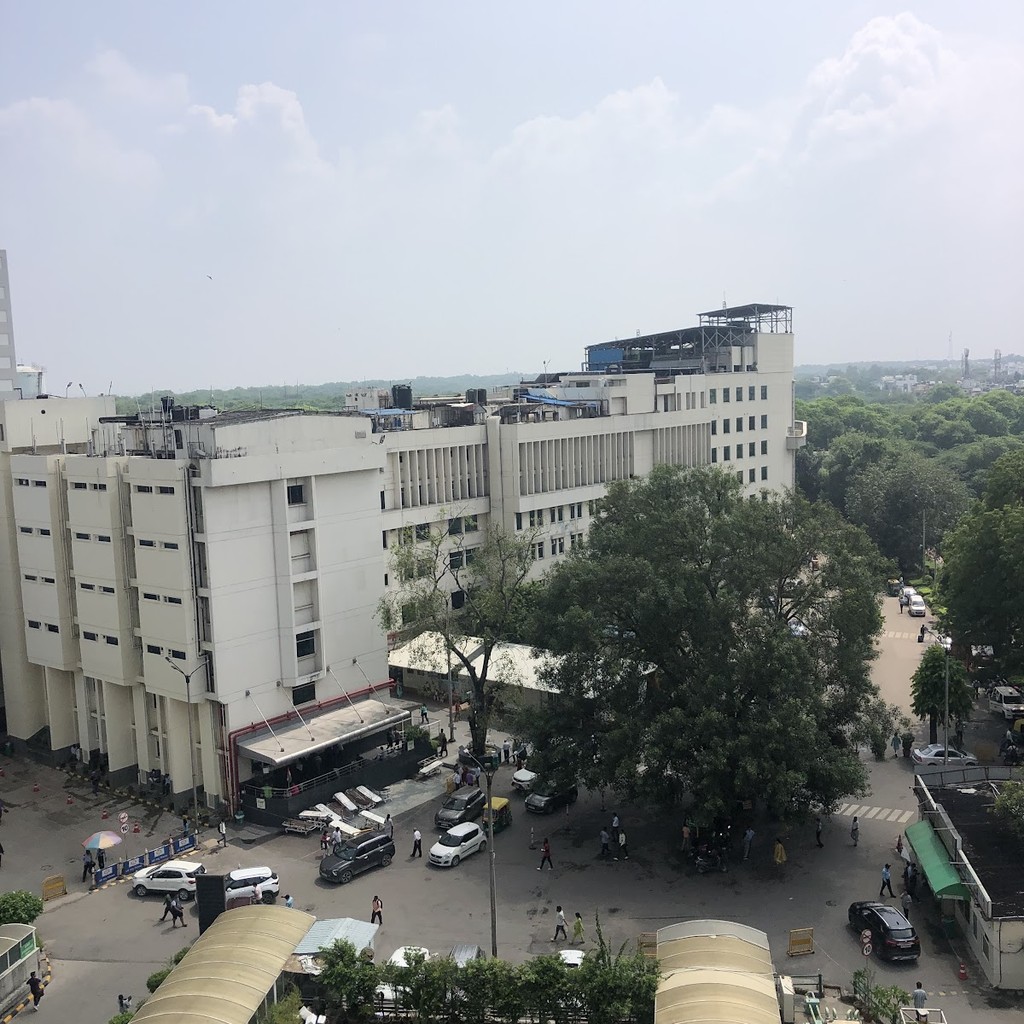
Sir Ganga Ram Hospital
Old Rajinder Nagar, Delhi
Allergist · Andrologist · Anesthesiologist

EMI options
Subject to lender terms
Insurance guidance
Help understanding your policy
Day-care
Some procedures are day-care. Your surgeon will advise for your case.
FAQs
When should cataract be operated on?
When blurred or glary vision starts interfering with reading, driving or daily activities. There is no need to wait for a cataract to become 'ripe'.
Who is suitable for LASIK?
Adults with a stable glasses prescription for at least a year, healthy corneas of adequate thickness and no active eye disease. A pre-LASIK evaluation decides suitability.
Can glaucoma damage be reversed?
No — vision lost to glaucoma can't be restored, which is why early detection and keeping eye pressure controlled with drops, laser or surgery are important.
How do I book a consultation?
Fill in the short form on this page with your name, phone number, condition and city. Our team will call you back to understand your needs and arrange a consultation — no account is needed.
Does Go Surgery help with insurance and EMI?
Our team can check your policy for cashless eligibility, and you can ask about EMI options — where available, eligibility and terms are set by the lender.
Which ophthalmology treatments are listed on Go Surgery?
Cataract Surgery (Phacoemulsification), Glaucoma Surgery, LASIK, SMILE Laser Vision Correction, ICL (Implantable Contact Lens), Pterygium Surgery, Retina Laser (Photocoagulation), Vitrectomy, Squint Surgery and Ptosis Surgery. Each treatment has its own page with the procedure, recovery and risks.
How long does a ophthalmology procedure take?
Typical operating times for ophthalmology treatments on Go Surgery range from 15 minutes to 2 hours. Your surgeon will tell you how long your procedure is expected to take.
Is ophthalmology treatment a day-care procedure, or will I be admitted?
Typical hospital stays for ophthalmology treatments range from no stay to 1 day. The treatment page gives the typical stay for each procedure.
What anaesthesia is used for ophthalmology procedures?
Usually numbing eye drops or local anaesthesia, and general anaesthesia for some squint and retina operations, depending on the procedure. The anaesthetist confirms the plan with you before surgery.
What are the risks of ophthalmology procedures?
Every operation carries some risk, such as bleeding, infection or a reaction to anaesthesia. Each treatment page lists the specific risks, and your surgeon will explain them for your case.
Ophthalmology Doctors in Major Cities
- Ophthalmologists in Delhi NCR
- Ophthalmologists in Bangalore
- Ophthalmologists in Hyderabad
- Ophthalmologists in Mumbai
- Ophthalmologists in Pune
- Ophthalmologists in Ahmedabad
- Ophthalmologists in Chennai
- Ophthalmologists in Thane
- Ophthalmologists in Indore
- Ophthalmologists in Kolkata
- Ophthalmologists in Nagpur
- Ophthalmologists in Amritsar
- Ophthalmologists in Lucknow
- Ophthalmologists in Bhopal
- Ophthalmologists in Agra
- Ophthalmologists in Navi Mumbai
Ophthalmology Cost by City
- Ophthalmology cost in Delhi NCR
- Ophthalmology cost in Bangalore
- Ophthalmology cost in Hyderabad
- Ophthalmology cost in Mumbai
- Ophthalmology cost in Pune
- Ophthalmology cost in Ahmedabad
- Ophthalmology cost in Chennai
- Ophthalmology cost in Thane
- Ophthalmology cost in Indore
- Ophthalmology cost in Kolkata
- Ophthalmology cost in Nagpur
- Ophthalmology cost in Amritsar
- Ophthalmology cost in Lucknow
- Ophthalmology cost in Bhopal
- Ophthalmology cost in Agra
- Ophthalmology cost in Navi Mumbai