
Proctology Doctors in India
8,636 Proctologists listed for consultation
Care for piles, fissures, fistulas and other anorectal conditions.
Proctologists in India
View all 8,636 →Doctors are listed in alphabetical order. Payment does not change a doctor's position, and a listing is not an endorsement. Registration details are shown where available. Please verify any doctor on the NMC Indian Medical Register or the State Medical Council. How listings work
Dr. A Anusha
General Surgeon
MBBS, MS - General Surgery, Post Doctoral Fellowship in Surgical Gastroenterology
14+ Years Experience

About Proctology
Proctology deals with conditions of the anus, rectum and lower colon — piles, fissures, fistulas, pilonidal sinus, prolapse and abscesses. Many people put off seeing a doctor out of embarrassment, but most of these problems are common, very treatable, and get harder to treat the longer they are left. Many proctology procedures are short, planned interventions affecting the anus, rectum and lower bowel.
Early-stage problems often settle with diet changes, stool softeners, sitz baths and medication. When symptoms keep coming back, bleed heavily or cause constant pain, a procedure is usually the more reliable option. Modern approaches — laser procedures, stapler techniques and minimally invasive fistula treatments — generally mean smaller wounds, less pain and a quicker return to work than older open surgery.
A proctologist or general surgeon examines the area (usually a quick, gentle in-clinic examination, sometimes with a proctoscope) to confirm the diagnosis and grade of the problem before recommending a treatment. Imaging such as MRI is used for complex fistulas.
Conditions
Piles (Haemorrhoids)
Piles are swollen blood vessels in and around the anus and lower rectum. Internal piles sit inside the rectum and are graded 1–4 by how far they prolapse; external piles form under the skin around the anus.
Anal Fissure
An anal fissure is a small tear in the lining of the anal canal. It causes sharp pain during and after passing stool, and the pain can make the anal muscle spasm, which keeps the tear from healing.
Anal Fistula
An anal fistula is a small tunnel between the inside of the anal canal and the skin near the anus, usually left behind after an anal abscess. It rarely heals on its own.
Pilonidal Sinus
A pilonidal sinus is a small tract or cyst in the skin at the top of the buttock crease, often containing hair. It can become infected and form a painful abscess.
Rectal Prolapse
Rectal prolapse is when part of the rectum slides out through the anus. It is more common in older adults, particularly women, and usually needs surgery.
Perianal Abscess
A perianal abscess is a collection of pus near the anus, usually caused by an infected anal gland. It needs drainage and can lead to a fistula.
Faecal Incontinence
Faecal incontinence is the inability to control bowel movements, ranging from occasional leakage to complete loss of control. It is more common than many people realise and often improves with treatment.
Anal Ulcer
An anal ulcer is an open sore in the anal canal. Many are chronic fissures, but ulcers can also be caused by infections, inflammatory bowel disease or, rarely, cancer — so persistent ones should be examined.
Anal Skin Tags
Anal skin tags are small, harmless flaps of skin around the anus, often left behind after a healed external pile or fissure.
Chronic Constipation
Chronic constipation is infrequent or difficult bowel movements lasting several weeks or more. It is a major contributor to piles and fissures and is usually managed without surgery.
Treatments
Laser Piles Surgery
Laser haemorrhoidoplasty uses a thin laser fibre to shrink piles from within by sealing the blood vessels that feed them. There is little or no external wound, so pain and recovery time are usually less than with conventional surgery.
Stapler Haemorrhoidopexy (MIPH)
Stapler haemorrhoidopexy uses a circular stapling device to lift prolapsing piles back into place and reduce their blood supply. Because the cut is made above the sensitive skin of the anus, it is usually less painful than conventional haemorrhoidectomy.
Haemorrhoidectomy
Haemorrhoidectomy is the surgical removal of piles. It has the lowest recurrence rate of piles treatments but usually involves more pain in the first weeks.
Rubber Band Ligation
A small rubber band is placed at the base of an internal pile to cut off its blood supply; the pile shrivels and falls off within about a week. It is a quick clinic procedure.
Lateral Internal Sphincterotomy
A small, controlled cut is made in the internal anal sphincter muscle to relieve the spasm that stops a chronic fissure from healing. It is highly effective for chronic fissures.
Laser Fissure Surgery
A laser is used to remove the unhealthy edges of a chronic fissure and any sentinel tag, encouraging healthy healing. It may be combined with sphincter relaxation.
Fistulotomy
The fistula tract is opened along its length so it heals from the inside out. It is the standard treatment for simple, low fistulas that involve little sphincter muscle.
Fistulectomy
The entire fistula tract is cut out. It removes the diseased tissue completely and is used for selected fistulas.
VAAFT
VAAFT uses a thin telescope passed along the fistula tract to see and treat it from inside, then closes the internal opening. It avoids cutting the sphincter muscles.
LIFT Procedure
The fistula tract is tied off and divided in the space between the two sphincter muscles, preserving the muscles themselves.
Laser Fistula Surgery
A radial laser fibre is passed through the fistula tract and slowly withdrawn, sealing the tract from inside while sparing the sphincter muscles.
Pilonidal Sinus Surgery
The infected sinus tract is cleaned and removed or sealed — by excision, or with a laser fibre that ablates the tract through the existing openings.
Pilonidal Flap Surgery
After removing the sinus, the surgeon moves a flap of nearby skin to close the wound and flatten the buttock cleft, reducing the chance of recurrence.
Rectopexy
Rectopexy fixes the rectum back in its normal position, usually laparoscopically, sometimes with mesh support. Perineal procedures are an alternative for frail patients.
Incision & Drainage of Abscess
A perianal abscess is opened and the pus drained, which relieves pain quickly and allows the infection to settle.
Sphincteroplasty
The damaged ends of the anal sphincter muscle are overlapped and repaired to improve bowel control.
Anal Skin Tag Removal
Troublesome anal skin tags are removed with a scalpel, scissors or laser under local anaesthesia.
Open Surgery vs Laser: Proctology
| Features | Open Surgery | Laser |
|---|---|---|
| Approach | The piles are cut away with a scalpel or diathermy | Laser energy shrinks the piles from inside |
| Anaesthesia | Spinal or general anaesthesia | Spinal or short general anaesthesia |
| Operating time | About 30–60 minutes | About 30–45 minutes |
| Hospital stay | 1–2 days | Same day or overnight |
| Recovery | Typically 2–4 weeks before full normal activity; pain relief and stool softeners help. | Most people resume desk work in 2–5 days; complete healing takes a few weeks. |
Typical figures from each treatment's page (Haemorrhoidectomy, Laser Piles Surgery). Your surgeon recommends the approach that suits your case.
Your Proctology Treatment Journey
- 1
Admission · On the day of the procedure
- Patients are received at the admission desk of the hospital you choose and registration formalities are completed.
- Bring your reports, ID and insurance details; Go Surgery's care team can help with the paperwork.
- 2
Anaesthesia · Before the procedure
- Local, spinal or short general anaesthesia; rubber band ligation usually needs none, depending on the procedure.
- The anaesthetist reviews your health and test results and explains the plan.
- Fasting instructions are given in advance.
- 3
Procedure · Typically 10 minutes to 3 hours
- Typical operating time for proctology treatments on Go Surgery: 10 minutes to 3 hours.
- Your surgeon explains the technique chosen for your case beforehand.
- 4
Recovery · Hospital stay: no stay to 4 days
- Typical hospital stay: no stay to 4 days.
- Nurses monitor your pain, wound and vital signs until you are ready to go home.
- 5
Discharge · When your surgeon is satisfied with your recovery
- You go home with medicines, wound-care advice and a follow-up date.
- Each treatment page lists its typical recovery time.
- 6
Follow-up · As your surgeon advises
- The surgeon checks healing and any reports at the follow-up visit.
- Contact the hospital sooner if you have fever, bleeding or pain that gets worse.
Proctology Treatment Cost in India
Go Surgery doesn't publish a price for proctology procedures in India yet. The cost depends on the procedure, the hospital, the room category, any implants, and what your insurance covers, so ask for a written estimate before you decide.
- Laser Piles Surgery cost →
- Stapler Haemorrhoidopexy (MIPH) cost →
- Haemorrhoidectomy cost →
- Rubber Band Ligation cost →
- Lateral Internal Sphincterotomy cost →
- Laser Fissure Surgery cost →
- Fistulotomy cost →
- Fistulectomy cost →
- VAAFT cost →
- LIFT Procedure cost →
- Laser Fistula Surgery cost →
- Pilonidal Sinus Surgery cost →
- Pilonidal Flap Surgery cost →
- Rectopexy cost →
- Incision & Drainage of Abscess cost →
- Sphincteroplasty cost →
- Anal Skin Tag Removal cost →
Hospitals
View all 10,269 →
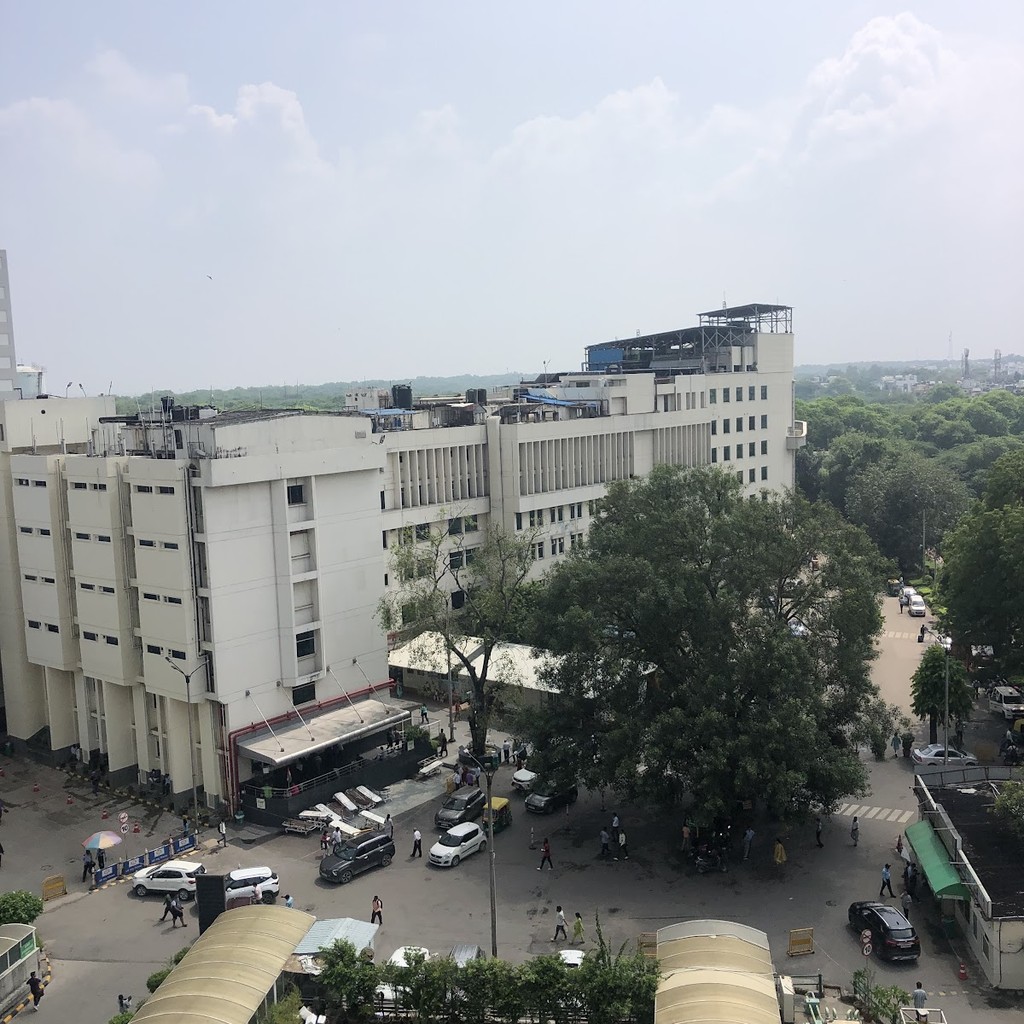
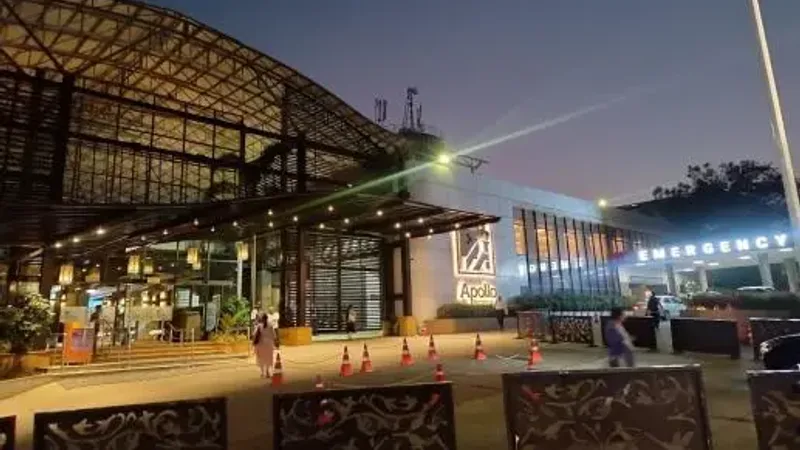
Sir Ganga Ram Hospital
Old Rajinder Nagar, Delhi
Allergist · Andrologist · Anesthesiologist

EMI options
Subject to lender terms
Insurance guidance
Help understanding your policy
Day-care
Some procedures are day-care. Your surgeon will advise for your case.
FAQs
What does a proctologist treat?
Conditions of the anus and rectum: piles (haemorrhoids), anal fissures, fistulas, abscesses, pilonidal sinus, rectal prolapse, anal skin tags and some causes of chronic constipation and faecal incontinence.
Is laser treatment a permanent cure for piles?
Laser treatment removes or shrinks the existing piles, but no procedure changes the habits that cause them. Keeping stools soft (fibre, water), not straining and not sitting on the toilet for long periods is what keeps piles from coming back.
Can women consult a proctologist?
Yes. Piles and fissures are particularly common during pregnancy and after childbirth. You can ask for a female doctor or a chaperone during the examination.
Is the examination painful?
A proctology examination is usually brief and only mildly uncomfortable. If you have a very painful fissure, the doctor may examine you gently or use a local anaesthetic gel.
How soon can I go back to work after a proctology procedure?
After most laser or minimally invasive procedures, people return to desk work within a few days. Open surgery and complex fistula treatment usually need longer — your surgeon will give you a timeline for your specific procedure.
How do I book a consultation?
Fill in the short form on this page with your name, phone number, condition and city. Our team will call you back to understand your needs and arrange a consultation — no account is needed.
Does Go Surgery help with insurance and EMI?
Our team can check your policy for cashless eligibility, and you can ask about EMI options — where available, eligibility and terms are set by the lender.
Which proctology treatments are listed on Go Surgery?
Laser Piles Surgery, Stapler Haemorrhoidopexy (MIPH), Haemorrhoidectomy, Rubber Band Ligation, Lateral Internal Sphincterotomy, Laser Fissure Surgery, Fistulotomy, Fistulectomy, VAAFT, LIFT Procedure, Laser Fistula Surgery, Pilonidal Sinus Surgery, Pilonidal Flap Surgery, Rectopexy, Incision & Drainage of Abscess, Sphincteroplasty and Anal Skin Tag Removal. Each treatment has its own page with the procedure, recovery and risks.
How long does a proctology procedure take?
Typical operating times for proctology treatments on Go Surgery range from 10 minutes to 3 hours. Your surgeon will tell you how long your procedure is expected to take.
Is proctology treatment a day-care procedure, or will I be admitted?
Typical hospital stays for proctology treatments range from no stay to 4 days. The treatment page gives the typical stay for each procedure.
Proctology Doctors in Major Cities
- Proctologists in Delhi NCR
- Proctologists in Bangalore
- Proctologists in Hyderabad
- Proctologists in Mumbai
- Proctologists in Chennai
- Proctologists in Kolkata
- Proctologists in Pune
- Proctologists in Ahmedabad
- Proctologists in Thane
- Proctologists in Jaipur
- Proctologists in Agra
- Proctologists in Navi Mumbai
- Proctologists in Indore
- Proctologists in Lucknow
- Proctologists in Kanpur
- Proctologists in Nagpur
Proctology Cost by City
- Proctology cost in Delhi NCR
- Proctology cost in Bangalore
- Proctology cost in Hyderabad
- Proctology cost in Mumbai
- Proctology cost in Chennai
- Proctology cost in Kolkata
- Proctology cost in Pune
- Proctology cost in Ahmedabad
- Proctology cost in Thane
- Proctology cost in Jaipur
- Proctology cost in Agra
- Proctology cost in Navi Mumbai
- Proctology cost in Indore
- Proctology cost in Lucknow
- Proctology cost in Kanpur
- Proctology cost in Nagpur